
Garlinghouse Breaks Silence on Ripple’s Near Shutdown During SEC War
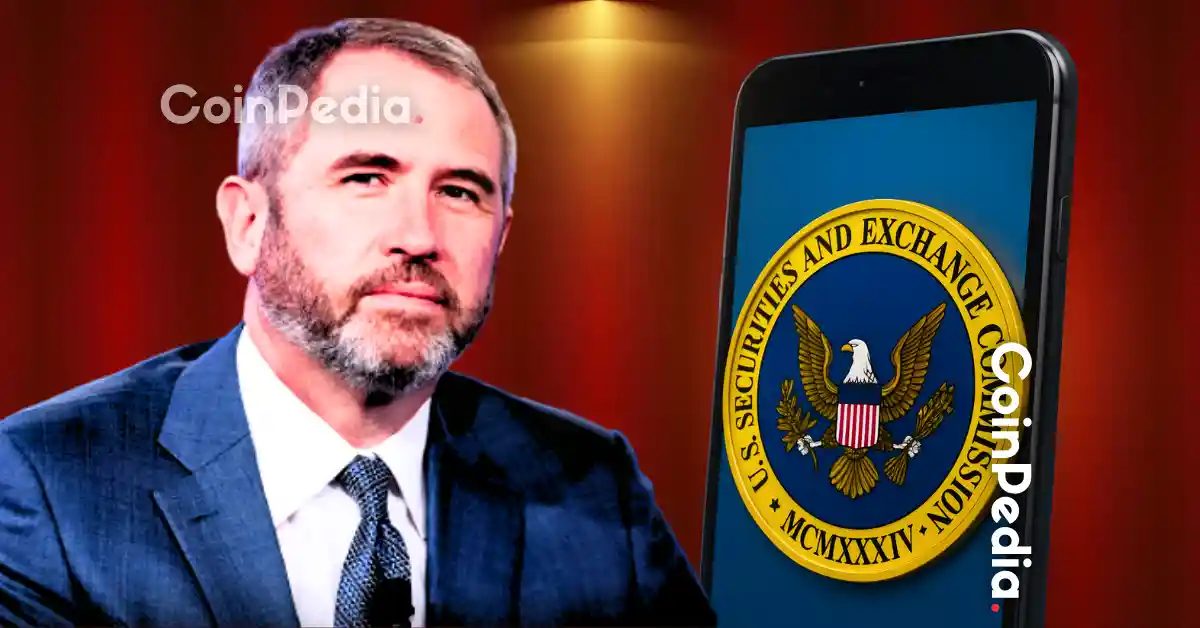

Ripple almost closed its doors after the SEC sued the company in 2020. CEO Brad Garlinghouse said the government has “infinite power and resources,” and that fact alone made the decision to fight back a hard one.
Garlinghouse shared the story during an appearance at the KU School of Business. He walked the audience through what actually happened, and why he still finds parts of it hard to accept.
A technology built for payments, not stock ownership
XRP moves fast, costs little, and scales well, Garlinghouse said. That’s why Ripple built its payments technology around it. He compared XRP to Bitcoin rather than to a company stock. Nobody who buys XRP owns a piece of Ripple. Ripple itself is still a private company. It raised venture capital in 2012, 2015, and 2016, and those funding rounds created real securities, shares that come with voting rights and a claim on the business. XRP works nothing like that. Ripple holds a large amount of XRP, but it can’t control the token, because the network runs on open source code.
The SEC saw it differently. The agency argued XRP counted as a security, not a currency or a commodity, and accused Ripple of selling unregistered securities.
Meetings that never raised a warning
Garlinghouse said he met with SEC staff four times between 2017 and 2019. He never brought a lawyer. “Why do I need a lawyer? I’m just telling you here’s how we use this technology,” he said he thought at the time. Garlinghouse met with the SEC four times between 2017 and 2019 without a lawyer.
Not once, he said, did anyone at the SEC tell him they thought XRP might be a security. Garlinghouse says the SEC never once gave him a warning that XRP was a security. Then in 2020, the agency sued both the company and Garlinghouse personally, over XRP he had sold as an individual.
He called what came next distasteful, and even unethical. The SEC agreed to drop his own case but not the one filed against Ripple itself, offering him a personal settlement while continuing to pursue the company.
A fight that dragged on for years
That four year legal fight with the SEC cost Ripple roughly 150 million dollars. Ripple won. The SEC signaled it would appeal anyway.
Everything changed after Trump won the election and appointed a new SEC chair. Garlinghouse said the new leadership took a far more constructive approach to crypto, one he believes the industry needs if it wants to grow in the United States.
He drew a comparison to the early internet. In 1996, the Telecom Deregulation Act gave tech companies clear rules to build under, and that certainty brought investors in. Crypto wanted the same thing, he said. Most people in the industry want to follow the rules. They just need someone to write them down first.

Was this writing helpful?
Story Ends Here
Trust with CoinPedia:
CoinPedia has been delivering accurate and timely cryptocurrency and blockchain updates since 2017. All content is created by our expert panel of analysts and journalists, following strict Editorial Guidelines based on E-E-A-T (Experience, Expertise, Authoritativeness, Trustworthiness). Every article is fact-checked against reputable sources to ensure accuracy, transparency, and reliability. Our review policy guarantees unbiased evaluations when recommending exchanges, platforms, or tools. We strive to provide timely updates about everything crypto & blockchain, right from startups to industry majors.
Investment Disclaimer:
All opinions and insights shared represent the author’s own views on current market conditions. Please do your own research before making investment decisions. Neither the writer nor the publication assumes responsibility for your financial choices.
Sponsored and Advertisements:
Sponsored content and affiliate links may appear on our site. Advertisements are marked clearly, and our editorial content remains entirely independent from our ad partners.
Read the Next News




